Support Group
Speak Up
for Sunspot
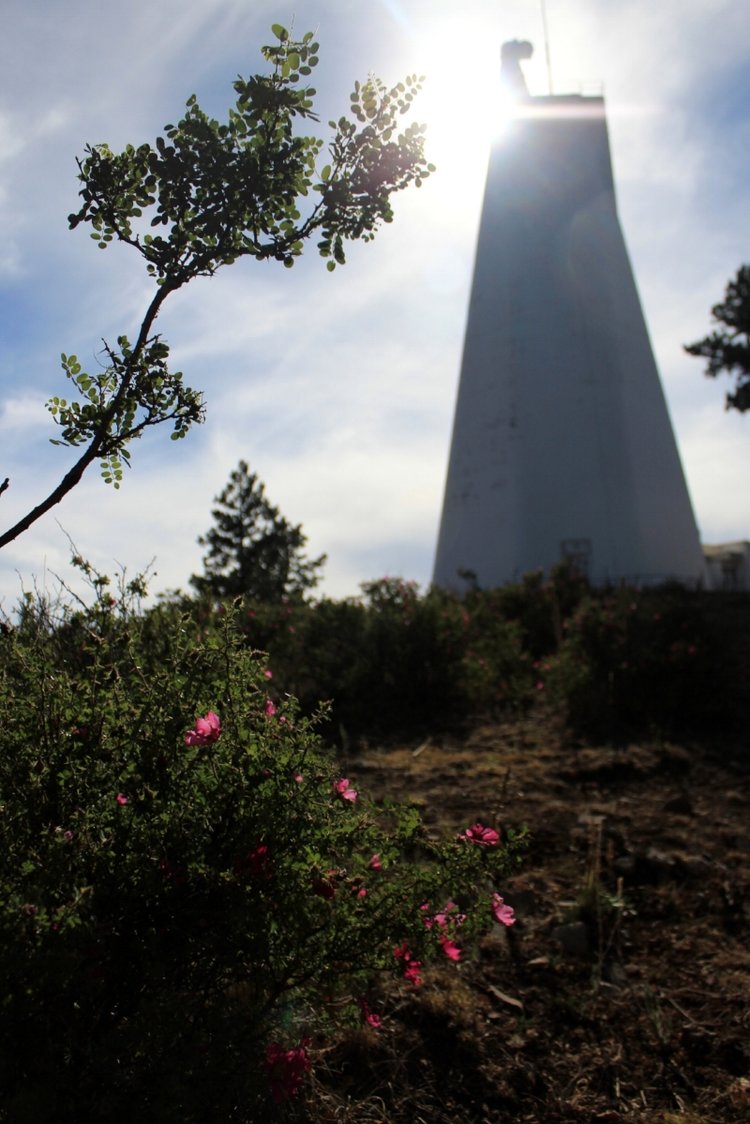
The National Science Foundation is requesting public input about the future of the Sunspot site. Founded in 1947, Sunspot has been part of New Mexico's scientific, cultural, and educational landscape for generations. Your voice can help shape what happens next.
Latest Community Voice
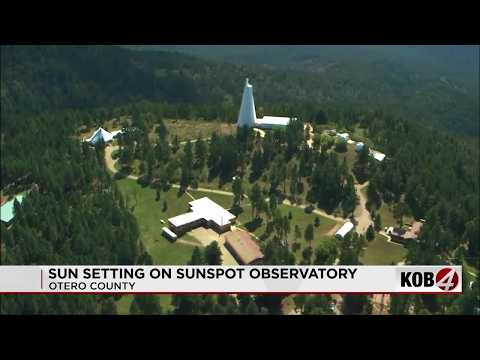
Community Voice #2
Watch the latest community contribution →
Community Voices
"I spent three summers at Sunspot 1979-81 as a research student. It was the beginning of my astronomical career from which I have recently retired. I have also visited NSO/SP quite a few times throughut my career and hava had colleagues who have worked there. It's a unique site and is well suited to be used as a summer science camp."
— Julian Christou
About Sunspot
A Legacy Worth
Preserving
Nestled high in the Sacramento Mountains of New Mexico, the Sunspot Solar Observatory has been at the forefront of solar science for nearly eight decades. Its iconic tower telescope has contributed to countless discoveries about our closest star.
Today, the site faces the possibility of complete demolition if the public does not speak up. The NSF is seeking community input — and every voice matters.
Scientific Heritage
Home to groundbreaking solar research since 1947, advancing our understanding of the Sun.
Education
Inspiring generations of students and visitors through hands-on astronomy and science programs.
Cultural Identity
A landmark that defines the identity of southern New Mexico's mountain communities.
Tourism
A destination that draws visitors from around the world to the Sacramento Mountains.
Why It Matters
Sunspot's Legacy Is Shaped by People Like You
Sunspot's legacy is shaped not only by institutions, but by the people who care about it. Here's why your voice is needed now more than ever.
Community Identity
Sunspot is more than a facility — it's a cornerstone of identity for the people of southern New Mexico.
Public Input Matters
Public comments help ensure that decision-makers understand the full impact of their choices on history, education, tourism, and community.
Educational Resource
The observatory has educated countless students and visitors, fostering curiosity about science and our universe.
Global Significance
As one of the world's premier solar observatories, Sunspot's contributions extend far beyond New Mexico.
Scientific Impact
The Dunn Solar Telescope in Published Science
Since 1999, scientists worldwide have cited the Dunn Solar Telescope in 994 peer-reviewed papers — a testament to its irreplaceable role in solar physics research.
994
Total Papers
2012 (65)
Peak Year
27 yrs
Years Active
Publications per Year mentioning Dunn Solar Telescope
Source: NASA ADS — abstract search 1999–2026
NMSU era (2019–2026): 293 papers published since NMSU took over science operations in 2019.
Research Topics — What Scientists Are Studying
Most frequent terms in abstracts of papers citing the Dunn Solar Telescope
Browse All Papers on NASA ADS
Search the full database of peer-reviewed astronomy papers citing the Dunn Solar Telescope
Education
Influencing Future Dreams
From kindergartners to Air Force veterans, Sunspot has opened doors to the cosmos for thousands of curious minds across New Mexico and beyond.
12,162+
Students & Visitors Reached
175
School & Youth Group Visits
37
Cities Represented
Where Students Come From
Recent Visits
175 totalAlamogordo Library Afterschool Programs
Alamogordo · K-8 · 22 people
White Sands National Park
Alamogordo · Adults · 32 people
MESA Club
Roswell · Middle & High School · 109 people
MESA Club
Alamogordo · Middle & High School · 122 people
Penasco Elementary
Hope · 2nd-8th · 18 people
University of Virginia
Charoletteville · College · 12 people
University of Virginia
Charoletteville · College · 15 people
Milam Elementary School
El Paso · Elementary · 93 people
"Every child who looks through a solar telescope at Sunspot could become the scientist who predicts the next great solar storm."
These visits are not just field trips. They are the first step in a scientific career.
Visitor Centre
Sunspot Draws Visitors from Across the Nation
July 2024 visitor data shows the breadth of public interest in Sunspot Solar Observatory — from local New Mexico families to international guests.
1,334
total visitors in July 2024 alone
1,034
Adults
300
Children
29
International
Where Visitors Come From
Sunspot's appeal extends well beyond New Mexico — 73% of visitors travel from out of state.
How Visitors Discovered Us
281
First-time visitors
New eyes on the Sun
87
Return visitors
2+ previous visits
28
Loyal regulars
5+ visits to Sunspot
Data from Visitor Tracking records, July 2024 (FY2025). Each row represents one visitor group.
Visitor Trends by Fiscal Year
* partial year dataFY2022 covers Jan–Jun 2022 only (observatory reopening period). FY2026 data through January 2026.
Heritage & Roots
Sunspot Belongs to a Deeper Story
Long before the observatory was built, Indigenous peoples of New Mexico were sophisticated observers of the Sun and sky. Sunspot's future must honor these roots.
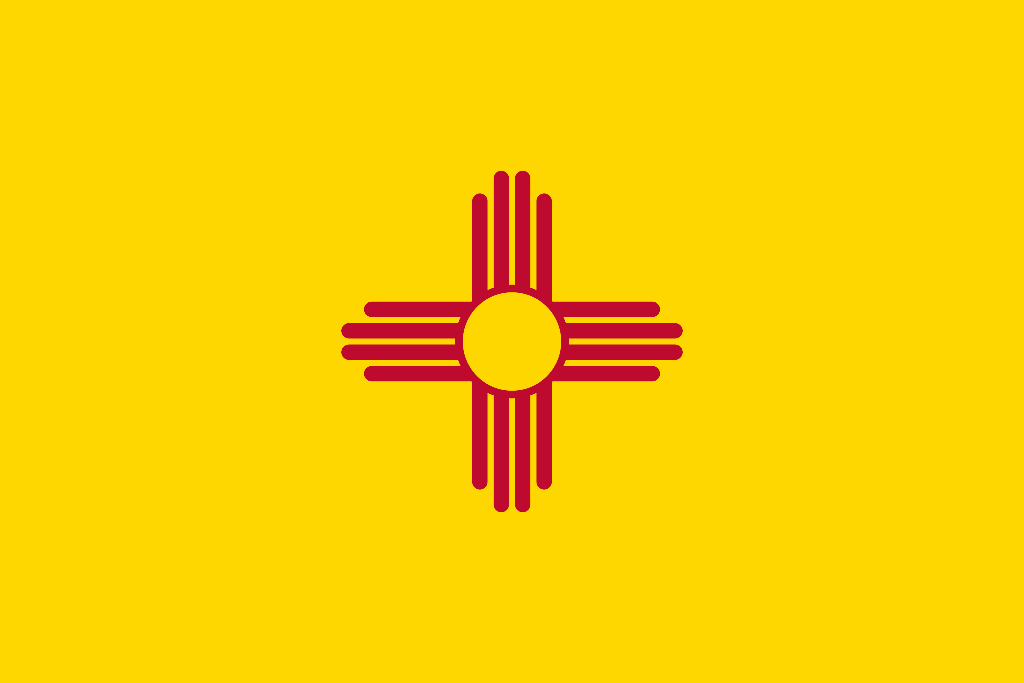
Zia Pueblo
The Zia sun symbol — four groups of four rays radiating from a central circle — is sacred to the Zia Pueblo people and appears on New Mexico's state flag. For centuries, Zia astronomers tracked the Sun's movements for agricultural and ceremonial purposes, accumulating solar knowledge that complements modern science.
Visit Zia Pueblo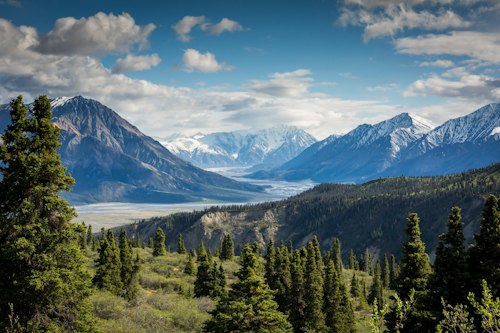
⭐ Mescalero Apache Nation
The Mescalero Apache have called the Sacramento Mountains home for generations. Their deep connection to this land — including the mountains that shelter Sunspot — is integral to any discussion of the site's future. Traditional ecological and astronomical knowledge held by the Mescalero deserves respect and integration.
Visit Mescalero Apache Nation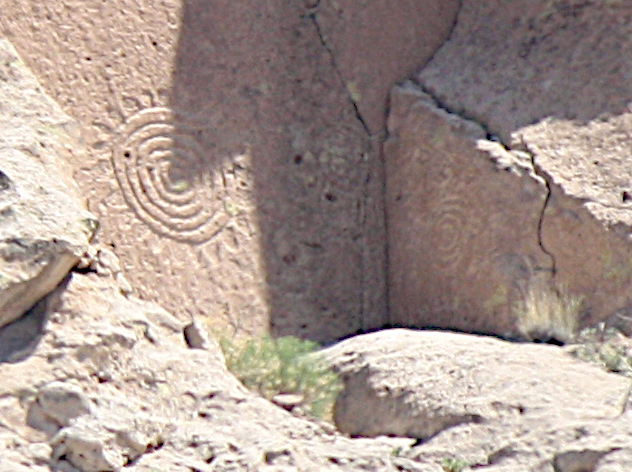
🌞 Chaco Canyon
Chaco Canyon in northwestern New Mexico is one of the ancient world's most sophisticated solar observatories. Spiral petroglyphs — carved into canyon walls across the U.S. Southwest and Mexican Northwest — are among the most significant symbols left by ancient peoples. These spirals are widely interpreted as solar markers: recording solstices, equinoxes, and seasonal cycles that governed agriculture, ceremony, and survival. The famous 'Sun Dagger' site at Fajada Butte uses shafts of light to bisect a spiral petroglyph precisely at the summer solstice — a calendar in stone. Ancestral Puebloan architects also aligned great houses and doorways with precise solar and lunar events. Chaco's legacy is a direct ancestor of New Mexico's long tradition of solar science.
Visit Chaco Culture NHP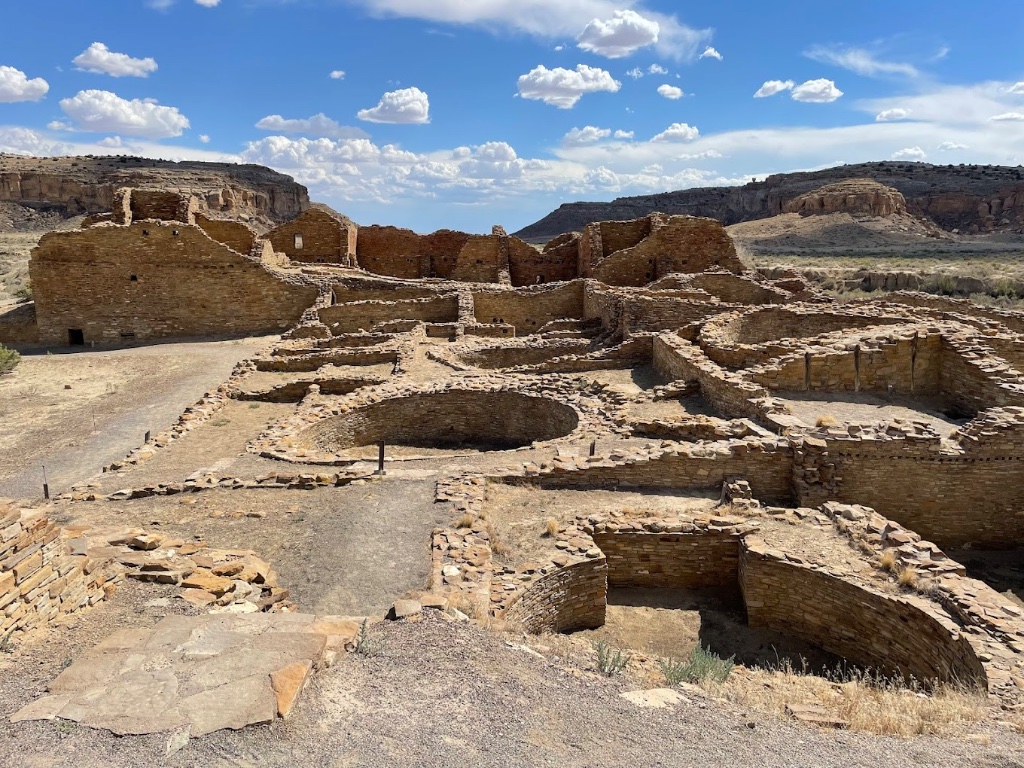
🏛️ Pueblo Bonito & Solar Architecture
Throughout the Rio Grande Pueblo communities of New Mexico, solar orientation shaped architecture and ceremony. Pueblo Bonito's walls align to true north, and numerous kivas and plazas were positioned to capture the first rays of solstice sunlight for agricultural and ritual calendars. This indigenous 'sky science' — passed down through oral tradition — parallels the work being carried out at Sunspot today.
Learn about Pueblo Bonito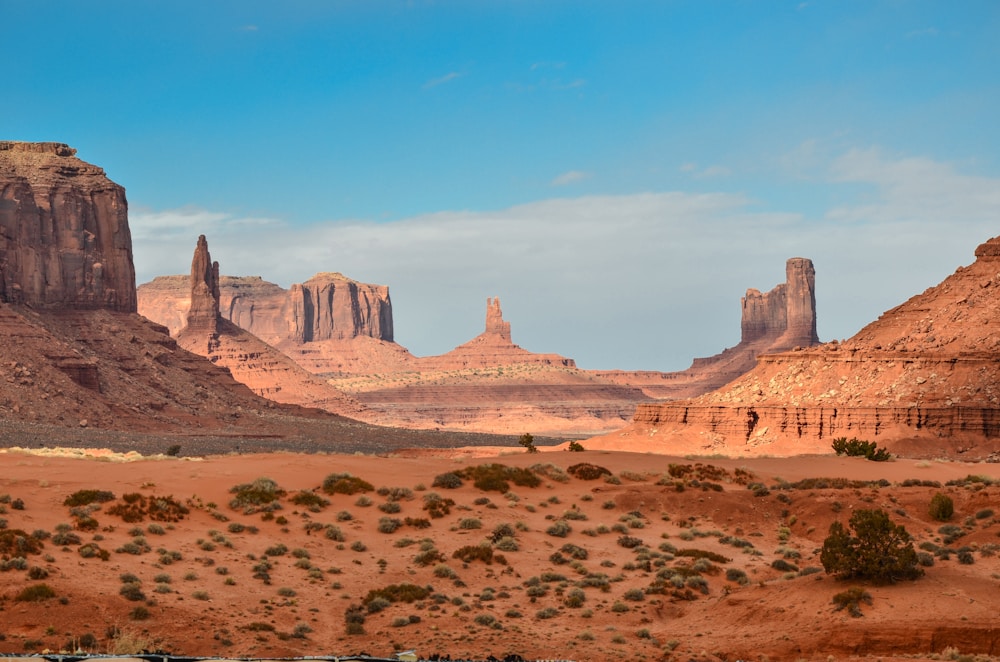
"The land around Sunspot holds stories going back thousands of years. Modern science and ancient wisdom can coexist here — and should."
— Learn more in our
The People
Those Who Call Sunspot Home
The Observatory
Built by Scientists, Shaped by Community
From its founding in 1947, Sunspot Solar Observatory was not just a workplace — it was a living community. Astronomers, engineers, support staff, and their families made their homes in this tiny mountain enclave. Children grew up under some of the darkest skies in New Mexico. Lifelong friendships and scientific careers were forged here, side by side.
Cloudcroft & Beyond
Neighbors in the Sacramento Mountains
Just 18 miles away, the mountain village of Cloudcroft has long been intertwined with Sunspot's story — providing services, schools, and a broader sense of home for observatory families. The community that grew around Sunspot stretches from the telescope tower to the storefronts on Cloudcroft's Burro Avenue, bound together by the beauty of the Sacramento Mountains and a shared pride in this place.
Community Atlas
Where Sunspot's People Went
101 scientists, engineers & staff tracked across 57 institutions
Institutions Reached
All Scientists & Engineers
101 peopleDamian J. Christian
PhDProfessor & Department Chair - Physics and Astronomy · California State University Northridge
PhD: University of Texas at Austin
Peter H. Keys
PhDLecturer / ROSA Instrument Scientist · Queen's University Belfast
PhD: Queen's University Belfast
Patrick J. Crockett
PhDSolar Physicist (Post-PhD) · Queen's University Belfast
PhD: Queen's University Belfast
Ryan J. Campbell
PhDFaculty / Postdoctoral Researcher · Queen's University Belfast
PhD: Queen's University Belfast
Nived Vilangot Nhalil
PhDSolar Physicist (Post-PhD) · Queen's University Belfast
PhD: Queen's University Belfast
Caitlin A. Gilchrist-Millar
PhDSolar Physicist (Post-PhD) · Queen's University Belfast
PhD: Queen's University Belfast
Aaron J. Monson
PhDPost-Doctoral Researcher · Queen's University Belfast
PhD: Queen's University Belfast
Shaun A. McLaughlin
PhDSolar Physicist (Post-PhD) · Queen's University Belfast
PhD: Queen's University Belfast
Aaron Reid
PhDVisiting Research Fellow · Queen's University Belfast
PhD: Queen's University Belfast
Séan Quinn
PhDSolar Physicist (Post-PhD) · Queen's University Belfast
PhD: Queen's University Belfast
David B. Jess
PhDProfessor of Solar Physics · Queen's University Belfast
PhD: Queen's University Belfast
William Bate
PhDSolar Physicist (PhD/PDRA) · Queen's University Belfast
PhD: Queen's University Belfast
Aisling O'Hare
PhDPhD Student · Queen's University Belfast
PhD: Queen's University Belfast
L.H. Majury
PhDPhD Student · Queen's University Belfast
PhD: Queen's University Belfast
Samuel D.T. Grant
PhDSTFC PDRA · Queen's University Belfast
PhD: Queen's University Belfast
Conor D. MacBride
PhDSenior Data Scientist · Allstate Belfast / QUB
PhD: Queen's University Belfast
C.J. Dillon
PhDSolar Physicist (Post-PhD) · Queen's University Belfast
PhD: Queen's University Belfast
Juie Shetye
PhDAssistant Professor / Science Director of the Dunn Solar Telescope · New Mexico State University
PhD: Queen's University Belfast
Stuart J. Houston
PhDSolar Physicist (Post-PhD) · Queen's University Belfast
PhD: Queen's University Belfast
Ondřej Procházka
PhDSolar Physicist (Post-PhD) · Queen's University Belfast
PhD: Queen's University Belfast
Sean Sellers
PhDSupport Astronomer · NMSU
PhD: NMSU
Oana Vesa
PhDPDRA · Standford
PhD: NMSU
Paul Ricchiazzi
PhDSolar Physicist · UC Santa Barbara / Mission Research Corp.
PhD: Unknown
Robert Stencel
PhDEmeritus Professor · University of Denver
PhD: University of Michigan
Ken Gayley
PhDAssociate Professor · University of Iowa
PhD: UC San Diego
Angela Colman Des Jardins
PhDAssociate Professor / Director, MT Space Grant · Montana State University
PhD: Montana State University
Todd Gunkler
Professor · Delta College
Rick Puetter
PhDPresident & Chief Scientist · Pixon Imaging Inc. / UCSD
PhD: University of California San Diego
George Fisher
PhDSenior Scientist (Retired) · UC Berkeley / Space Sciences Lab
PhD: UC San Diego
David Tamres
PhDEmeritus Professor · Univ. of Wisconsin–Stevens Point
PhD: UC San Diego
Tom Metcalf
PhDSolar Physicist · Lockheed Martin / NWRA
PhD: UC San Diego
Maria Kazachenko
PhDAssistant Professor · University of Colorado Boulder / NSO
PhD: Montana State University
Charley Lindsey
Solar Physicist · University of Hawaii
Kevin Reardon
Solar Physicist · National Solar Observatory
Matt Penn
Solar Physicist · National Solar Observatory
Grant Athay
Solar Physicist · High Altitude Observatory
Rick Puetter
PhDPresident & Chief Scientist · Pixon Imaging Inc. / UCSD
PhD: University of California San Diego
George Fisher
PhDSenior Scientist (Retired) · UC Berkeley Space Sciences Laboratory
PhD: UC San Diego
Don Mickey
Solar Physicist · University of Hawaii
Anne Pyne Cowley
Astronomer · Arizona State University
Kees de Jager
General Secretary of the IAU (1967–1973) · Utrecht Observatory
Eric Priest
Solar Physicist · University of St Andrews
Ken Gayley
PhDAssociate Professor · University of Iowa
PhD: UC San Diego
Robert Stencel
PhDEmeritus Professor · University of Denver
PhD: University of Michigan
Frank Orrall
Solar Physicist · University of Hawaii
Bill Marquette
Chief Observer / Head Observer · Big Bear Solar Observatory
David Gray
Astronomer · University of Western Ontario
Loren Acton
Solar Physicist · Montana State University
Julius London
Atmospheric Scientist · University of Colorado Boulder
Bill Henze
Astronomer · University of Alabama
Peter Boyce
Astronomer · American Astronomical Society
Dick Altrock
Solar Physicist · Sacramento Peak Observatory
Ray Weymann
Astronomer / NAS Member · Carnegie Observatories
Franz Deubner
Solar Physicist · University of Würzburg
K. D. Leka
PhDSenior Research Scientist · Northwest Research Associates
PhD: University of Hawaii
Chang-Hyuk An
Solar Physicist · NASA Marshall Space Flight Center
Yuhong Fan
Solar Physicist · High Altitude Observatory
James Kaler
Astronomer · University of Illinois
Gordon Newkirk
Director, HAO (1968–1979) · High Altitude Observatory
Dana Longcope
PhDProfessor of Physics · Montana State University
PhD: University of Montana
Alphonse Sterling
Solar Physicist · NASA Marshall Space Flight Center
Peter Gallagher
Solar Physicist · Dublin Institute for Advanced Studies
Charles Cowley
Astronomer · University of Michigan
Ed Spiegel
Astrophysicist · Columbia University
John Jefferies
Director, National Optical Astronomy Observatories · University of Hawaii / NOAO
Dave Rust
Solar Physicist · Johns Hopkins University
Jacques Beckers
Senior Scientist, Sacramento Peak · Sacramento Peak Observatory
Todd Gunkler
Professor · Delta College
David Tamres
PhDEmeritus Professor · Univ. of Wisconsin–Stevens Point
PhD: UC San Diego
Ying Li
Solar Physicist · Purple Mountain Observatory
Hugh Hudson
Solar Physicist · University of California San Diego
Ruth Hedeman
Solar Physicist · McMath–Hulbert Observatory
Ron Merrill
Professor Emeritus of Earth and Space Sciences · University of Washington
Steve Maran
Astronomer / AAS Press Officer · NASA Goddard Space Flight Center
Ben Peery
Astronomer · Howard University / Indiana University
Barry Labonte
Solar Physicist · University of Hawaii
George Withbroe
NASA HQ Solar Physics Program Scientist · NASA Headquarters
Leo Goldberg
PhDSolar Astronomer / Director · Kitt Peak National Observatory
PhD: Harvard University
Paul Ricchiazzi
PhDSolar Physicist · UC Santa Barbara / Mission Research Corp.
PhD: Unknown
Tom Metcalf
PhDSolar Physicist · Lockheed Martin / NWRA
PhD: UC San Diego
Ed DeLuca
Solar Physicist · Harvard-Smithsonian Center for Astrophysics
Dave Bohlin
Solar Physicist · NASA
John Firor
Director, HAO (1961–1968) · High Altitude Observatory
Henry Radoski
Program Manager · Air Force Research Laboratories
Spiro Antiochos
Solar Physicist · NASA Goddard Space Flight Center
Stan Owocki
Professor · University of Delaware
Rob Rutten
Solar Physicist · Utrecht Observatory
Edith Müller
General Secretary of the IAU (1976–1979) · University of Geneva
Joe Ajello
Planetary Scientist · NASA/JPL
Sandy McClymont
Solar Physicist · University of Hawaii
Helen Dodson Prince
PhDSolar Physicist / Professor · McMath–Hulbert Observatory
PhD: University of Michigan
Roger Kopp
PhDSolar Physicist · High Altitude Observatory / Los Alamos National Laboratory
PhD: Harvard University
Alex Pevtsov
Solar Physicist · National Solar Observatory
Sara Martin
Solar Scientist · Helio Research
Mark Gordon
Radio Astronomer · National Radio Astronomy Observatory
Jack Zirker
Director, Sacramento Peak Observatory · Sacramento Peak Observatory
Martin Woodard
Solar Physicist · University of California San Diego
John Brown
Solar Physicist · University of Glasgow
Maria Kazachenko
PhDAssistant Professor · University of Colorado Boulder / NSO
PhD: Montana State University
Ryan O. Milligan
PhDSenior Lecturer / Associate Professor · Queen's University Belfast
PhD: Queen's University Belfast
Gianna Cauzzi
Solar Physicist · National Solar Observatory
Our History
Nearly 80 Years of Discovery
Observatory Founded
Sacramento Peak Observatory established by the U.S. Air Force for solar research.
NSF Involvement
National Science Foundation begins supporting solar research at the site.
Dunn Solar Telescope
The iconic Richard B. Dunn Solar Telescope tower is completed, standing 136 feet tall.
NSO Headquarters
Sunspot becomes the headquarters of the National Solar Observatory.
Apache Point Partnership
Ongoing collaboration with the nearby Apache Point Observatory strengthens the scientific community.
NMSU & Partners Take Over
Formation of the Sunspot Solar Observatory Consortium — led by New Mexico State University alongside community partners — assumes stewardship of the site, continuing public education and scientific programs at Sunspot.
Public Comment Period
NSF requests public input on the future of the site — your voice is needed now.
Future Vision
Future of the Space Science Innovation Centre
A place that honors the Sun, the skies, and all the people who have looked up at them — weaving together indigenous heritage, frontier science, and the shared wonder that has united humanity across every culture and generation.
"The Sun does not shine for a few trees and flowers, but for the wide world's joy."
— Henry Ward Beecher
Space Weather Forecasting
Sunspot's location and infrastructure make it ideal for real-time monitoring of solar flares, coronal mass ejections, and geomagnetic storms.
International Research Hub
A collaborative centre attracting researchers from NASA, ESA, and universities worldwide to study solar-terrestrial interactions.
Protecting Critical Infrastructure
Space weather research at Sunspot directly contributes to protecting power grids, GPS networks, and satellite communications.
National Security Value
Solar monitoring supports U.S. Department of Defense space situational awareness — a mission that cannot be outsourced.
Astrotourism
A premier astrotourism destination in the Sacramento Mountains, drawing visitors from around the world for guided tours, stargazing events, and solar observation experiences.
K–12 Education
Hands-on STEM education programs connecting local and rural students with solar science, space weather, and careers in research — right in their backyard.
RV Park & Night Sky Experience
A unique RV park offering both daytime and nighttime observation opportunities — auroral skies, a live all-sky camera, dark-sky stargazing, and guided solar viewing at sunrise.
The Sunspot Space Science Innovation Centre envisions Sunspot transformed into a world-class facility at the intersection of solar science, public education, and technological innovation — anchored in the rich natural and cultural landscape of the Sacramento Mountains.
Rather than demolition, the site would be reimagined as a living laboratory: combining active research telescopes, an immersive visitor experience, indigenous knowledge integration, and cutting-edge space weather prediction capabilities.
Public Polls
Share Your Perspective
Multiple surveys are open for public input. Each one helps shape a different aspect of Sunspot's future. Click to participate — results are live and public.
Take Action
Your Voice Can Make
a Difference
Send a Public Comment
UrgentWant to get involved? Reach out to the Friends of Sunspot team with your ideas, community contributions, and interest in supporting the observatory's future.
What to Write
Not sure what to say? Here are some ideas to get you started:
Share your personal connection to Sunspot — a visit, a memory, or how it inspired you.
Explain why preserving the site matters for education, science, and community identity.
Urge the NSF to consider alternatives to demolition that honor the site's legacy.
Mention the economic and tourism value the observatory brings to the region.
Community Contributions
Ideas, involvement, and community initiatives
Support & General Enquiries
Questions, feedback, or anything else
Please note: this inbox is monitored periodically and we may not be able to respond to every message.
Send EmailCommunity Gallery
Voices from the Community
These clips were shared by community members who care deeply about the future of Sunspot Solar Observatory. Every voice matters — and these videos are helping us build our case to the NSF. Want to contribute your own? Reach out at info@friendsofsunspot.com.
Community Voice #1
A community member shares their personal connection to Sunspot Solar Observatory.
Share Your Story
Send us your video, message, or memory about Sunspot — every contribution strengthens our community's voice.
Get Involved
Resources & Downloads
Everything you need to take action and spread the word about Sunspot.
Meeting Flier
Share this on social media to spread the word about our July 6 public meeting at the Otero County Co-Op.
Download FlierSupporter Action Packet
Call scripts, email templates, and contact info for your representatives. Everything you need to make your voice heard.
Download PacketFriends of Sunspot Flier
Print and share this flier with neighbors, local businesses, and community groups to spread the word.
Download FlierContact Your Representatives
Not sure who to contact? Reach out to us and we'll help you find the right officials to write to.
Email UsGet Involved
Support Sunspot's Future – Stay Connected
Thank you for supporting the future of Sunspot. By joining our supporter list, you will receive updates, opportunities to participate in advocacy, community events, and ways to help protect and strengthen the Sunspot site. Your information will be used only for Friends of Sunspot communications.
Open Letter
A Call to the Solar Physics Community
Help us reimagine Sunspot as a next-generation space science institute.
4 Telescope Domes
Plans to rebuild and modernize, including ISOON
Community-Driven
Science, education, and public engagement united
Join the Discussion
Express your interest at info@friendsofsunspot.com
Sunspot Solar Observatory has long been more than a historic site. It has been a place where solar research, education, and scientific ambition came together in a uniquely powerful way. For generations, it has connected scientists, students, educators, and the public to the study of the Sun from one of the most iconic observing locations in the United States.
As the future of the site is being discussed, this is also a moment to ask a bigger question: can Sunspot become not just a place we preserve, but a place we rebuild with purpose?
We invite interest from the solar physics and broader space science community in imagining a future for Sunspot as a next-generation space science institute. This could include continued solar research, new instrumentation, rebuilding and modernizing the four telescope domes — including plans to rebuild ISOON — expanded observing and training opportunities, and a stronger connection between research, innovation, education, and public engagement.
Sunspot has the potential to remain a place where cutting-edge solar physics is done, where students from local and rural communities can enter the scientific pipeline, and where new partnerships can shape the future of ground-based space science in New Mexico.
We would also like to invite members of the community to join an initial conversation on this vision. The goal of this meeting would be to hear what interests the community most: future science opportunities, instrumentation, partnerships, education and workforce development, public engagement, or broader ideas for rebuilding and reimagining the site. We hope this can be a space to listen, gather ideas, and identify where there is shared interest in helping shape Sunspot's next chapter.
If you believe Sunspot should continue as a living site for science, discovery, and opportunity, we encourage you to speak up, share your ideas, and express your interest in joining this discussion.
This is not only about saving a site. It is about building a future.
Community Contributions
1 of 2 videos
NSF Record of Decision (2026)
Read the official NSF Record of Decision for Sacramento Peak Observatory — the document outlining the agency's planned course of action for the Sunspot site.
Download ROD PDF